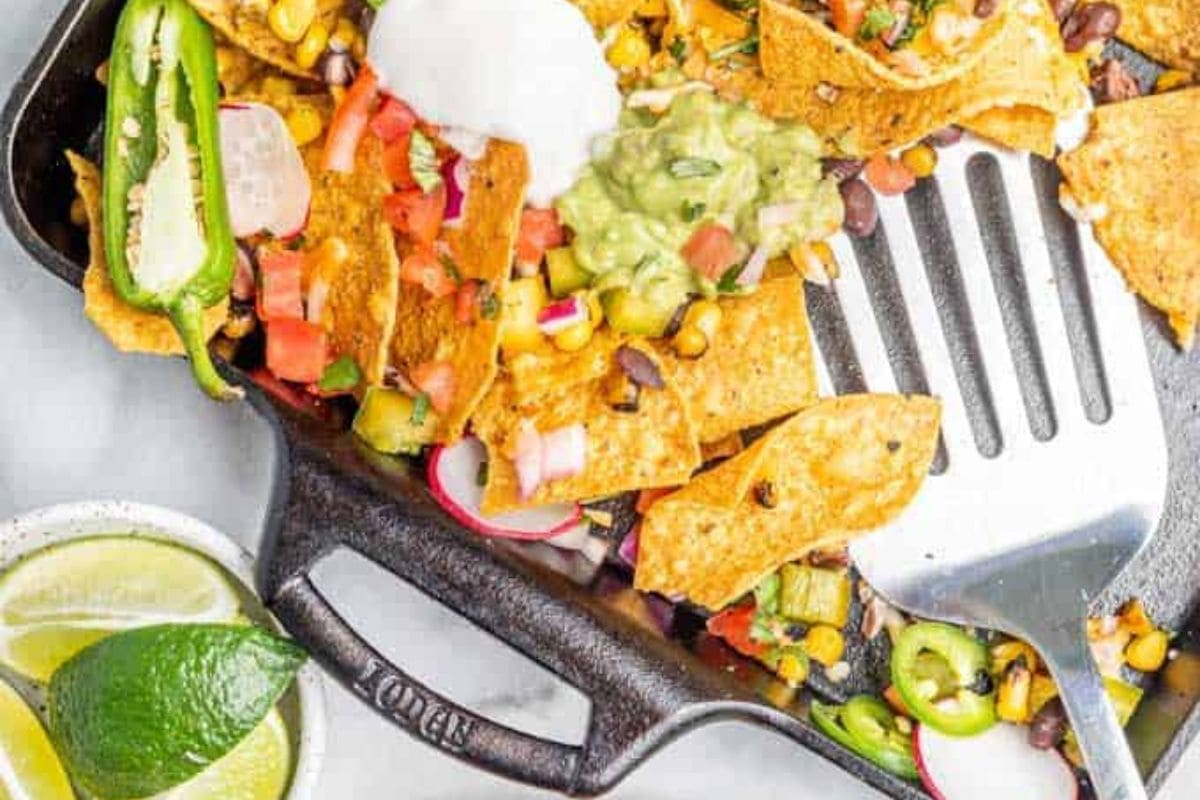
Vegan Nachos vs. Traditional: Healthier & Tastier Plant Power
Few dishes evoke the same sense of communal joy and indulgent satisfaction as nachos. A mountain of crispy tortilla chips, smothered in gooey cheese, hearty meat, and an array of vibrant toppings – it's the ultimate comfort food for game nights, parties, or simply a delicious treat. However, as our understanding of health and nutrition evolves, many are seeking alternatives to traditional, often calorie-dense and fat-laden versions. Enter the rising star:
vegan nachos. This plant-based phenomenon promises to deliver all the flavor and fun without the dairy, meat, or associated health concerns. But can a plant-powered plate truly rival the classic? Let's dive into a comprehensive comparison to uncover which option reigns supreme in terms of health, taste, and overall satisfaction.
The Traditional Nacho: A Culinary Classic (with a Catch)
The traditional nacho, in its most beloved form, typically features a foundation of corn tortilla chips, generously blanketed with melted cheddar or Monterey Jack cheese. Layered on top are often seasoned ground beef, sour cream, jalapeños, and a fresh salsa. While undeniably delicious, this classic combination comes with a significant nutritional footprint.
A single serving of traditional nachos can be packed with high levels of:
- Saturated Fat: Primarily from the cheese, ground meat, and sour cream, contributing to elevated cholesterol levels and an increased risk of heart disease.
- Cholesterol: Exclusively found in animal products, further compounding cardiovascular health concerns.
- Sodium: Often high due to processed cheese, seasoned meats, and various toppings, which can contribute to high blood pressure.
- Calories: Dense with energy, making it easy to overconsume, especially when sharing a large platter.
- Lack of Fiber: While some fresh toppings like jalapeños and salsa offer a minimal amount, the core components are largely devoid of beneficial dietary fiber.
For many, the traditional nacho is an occasional indulgence. Its appeal lies in its rich, savory flavors and satisfying textures, making it a go-to for many social gatherings. However, for those seeking a healthier lifestyle or looking to reduce their intake of animal products, its nutritional profile can be a deterrent.
Enter Vegan Nachos: A Revolution in Flavor and Wellness
The advent of
vegan nachos represents a culinary revolution, proving that you don't need dairy or meat to create an incredibly satisfying, flavor-packed dish. Vegan versions cleverly swap out traditional ingredients for equally delicious and often healthier plant-based alternatives.
Instead of dairy cheese, you'll find rich and creamy nut-based quesos (often made from cashews), potato-carrot blends, or store-bought dairy-free shreds. Ground beef is replaced by seasoned lentils, black beans, crumbled tofu, or flavorful mushroom "meat." Sour cream finds its plant-based doppelgänger in cashew cream or avocado-lime sauces. The beauty of vegan nachos lies not just in their health benefits but in the incredible versatility and creativity they allow.
Health Showdown: Vegan vs. Traditional Nachos
When we place
vegan nachos side-by-side with their traditional counterparts, the health benefits of the plant-based option become strikingly clear.
- Fat Profile: Traditional nachos are high in saturated fat. Vegan versions, using ingredients like nuts (cashews for cheese sauce), avocados, and plant oils, typically contain healthier unsaturated fats, which are beneficial for heart health. They are also completely cholesterol-free.
- Fiber Content: This is where vegan nachos truly shine. Loaded with beans, lentils, a wide array of vegetables, and often whole-grain chips, they are an excellent source of dietary fiber. Fiber aids digestion, helps regulate blood sugar, and promotes a feeling of fullness, which can assist with weight management. Traditional nachos offer very little fiber.
- Micronutrients: A diverse spread of vegetables on vegan nachos (bell peppers, onions, corn, spinach, tomatoes) means a richer intake of vitamins, minerals, and antioxidants compared to a meat-and-cheese-heavy traditional plate.
- Calorie Density: While portions can always vary, well-prepared vegan nachos often offer a more nutrient-dense caloric intake. The fiber and plant protein contribute to satiety, potentially leading to less overall consumption.
- Sodium Control: While sodium can be present in both, plant-based ingredients often allow for greater control over sodium levels, especially when making components like cheese sauce from scratch.
From a purely nutritional standpoint, vegan nachos are a clear winner, offering a heart-healthy, fiber-rich, and cholesterol-free alternative that still satisfies cravings for savory, comforting food.
Taste Test: Can Plant Power Rival Traditional Indulgence?
The most common question people ask about vegan food is, "Does it actually taste good?" When it comes to
vegan nachos, the answer is a resounding *yes*. Modern plant-based cuisine has evolved to create incredibly convincing and delicious alternatives that often surprise even the most committed omnivores.
*
The "Cheese" Factor: Vegan cheese sauces are often the star. Cashew-based quesos are incredibly creamy and rich, achieving that desired gooey texture when warm. Nutritional yeast provides a distinct cheesy flavor, while ingredients like roasted peppers or spices add depth. Many find these homemade plant-based cheese sauces to be far superior to processed dairy-free shreds, offering a fresh, vibrant taste that complements the other toppings perfectly. For tips on achieving the perfect creamy vegan cheese, check out our article on
Secrets to Perfect Vegan Nachos: Crispy Chips & Creamy Cheese.
*
Hearty "Meat": Spiced black beans or lentils provide a fantastic texture and protein punch, often seasoned with cumin, chili powder, and smoked paprika to mimic the savory depth of ground beef. Crumbled, seasoned tofu or tempeh also makes an excellent "meat" substitute, absorbing flavors beautifully.
*
Fresh Toppings: This is where vegan nachos truly shine. Without the heaviness of dairy and meat, the fresh flavors of avocado, pico de gallo, corn salsa, pickled red onions, cilantro, and fresh lime juice can truly pop. The combination of textures—crispy chips, creamy cheese, hearty beans, and crunchy fresh vegetables—creates a dynamic eating experience that rivals, and often surpasses, traditional versions.
Many discover that vegan nachos offer a more vibrant and diverse flavor profile because the absence of heavy dairy and meat allows the natural tastes of the vegetables and spices to come forward.
Building Your Best Vegan Nachos: Tips & Tricks
Crafting the ultimate plate of
vegan nachos is an art form, but one that's easy to master. Here are some actionable tips:
1.
Choose Your Foundation Wisely: Opt for high-quality corn tortilla chips. For an even healthier twist, consider baked chips, sweet potato chips, or even bell pepper slices as a "chip" alternative.
2.
Master the Cheese Sauce: Experiment with different vegan cheese sauce recipes. A basic cashew queso (soaked cashews, nutritional yeast, garlic, onion powder, jalapeño, plant milk) is a fantastic starting point. You can also explore potato-carrot-based sauces for a nut-free option.
3.
Protein Power: Don't just settle for plain beans. Season your black beans, pinto beans, or lentils with a robust blend of chili powder, cumin, smoked paprika, and oregano. Sautéed crumbled tofu or tempeh also makes an excellent "ground meat" substitute.
4.
Load Up on Veggies: This is your chance to get creative! Think beyond jalapeños. Add roasted bell peppers, corn, sautéed onions, fresh cilantro, diced tomatoes, pickled red onions, olives, or even finely chopped spinach.
5.
Creamy Toppings: A dollop of fresh guacamole or sliced avocado is a must. A simple vegan sour cream (cashew-based or store-bought) adds another layer of richness.
6.
Spice it Up: Don't forget the heat! Fresh or pickled jalapeños, a dash of hot sauce, or even a sprinkle of chili flakes can elevate the flavor.
7.
Layering is Key: For the best results, layer your chips, cheese sauce, protein, and other toppings. This ensures every bite is loaded with flavor and texture.
For detailed recipes and step-by-step instructions on making your own plant-based nacho masterpiece, consult our
Easy Vegan Nachos: The Ultimate Plant-Based Recipe Guide.
Beyond the Plate: Environmental and Ethical Advantages
The benefits of choosing
vegan nachos extend beyond just personal health and taste. Opting for plant-based ingredients also offers significant environmental and ethical advantages. Plant-based diets generally require fewer natural resources (like water and land) and produce fewer greenhouse gas emissions compared to diets heavy in animal products. Moreover, choosing vegan options supports animal welfare by reducing demand for industrial animal agriculture. This makes vegan nachos not just a healthier and tastier choice, but also a more sustainable and compassionate one.
Conclusion
The debate between
vegan nachos and traditional nachos isn't just about personal preference; it's a clear demonstration of how plant-based cuisine can outshine its animal-product-laden counterparts in both nutritional value and dynamic flavor. While traditional nachos hold a nostalgic place in our hearts, the health concerns associated with high saturated fat, cholesterol, and low fiber content are undeniable. Vegan nachos, on the other hand, offer a vibrant, fiber-rich, cholesterol-free, and incredibly delicious alternative that satisfies every craving without compromise. With clever plant-based swaps for cheese and meat, and an explosion of fresh, colorful toppings, vegan nachos prove that eating healthier doesn't mean sacrificing taste. So, next time you're craving that comforting plate of nachos, embrace the plant-powered revolution – your taste buds and your body will thank you.